Genre
Synopsis
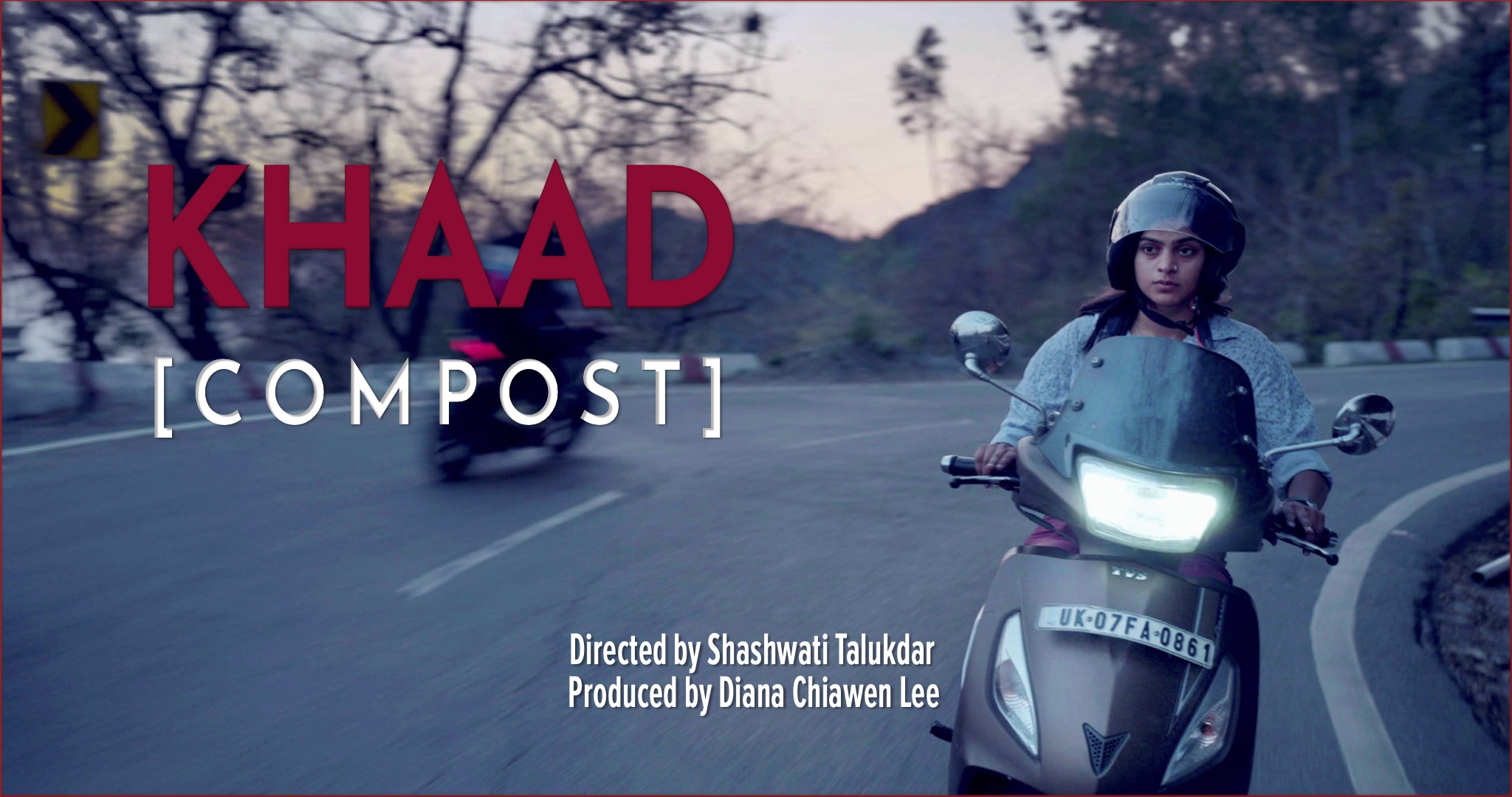
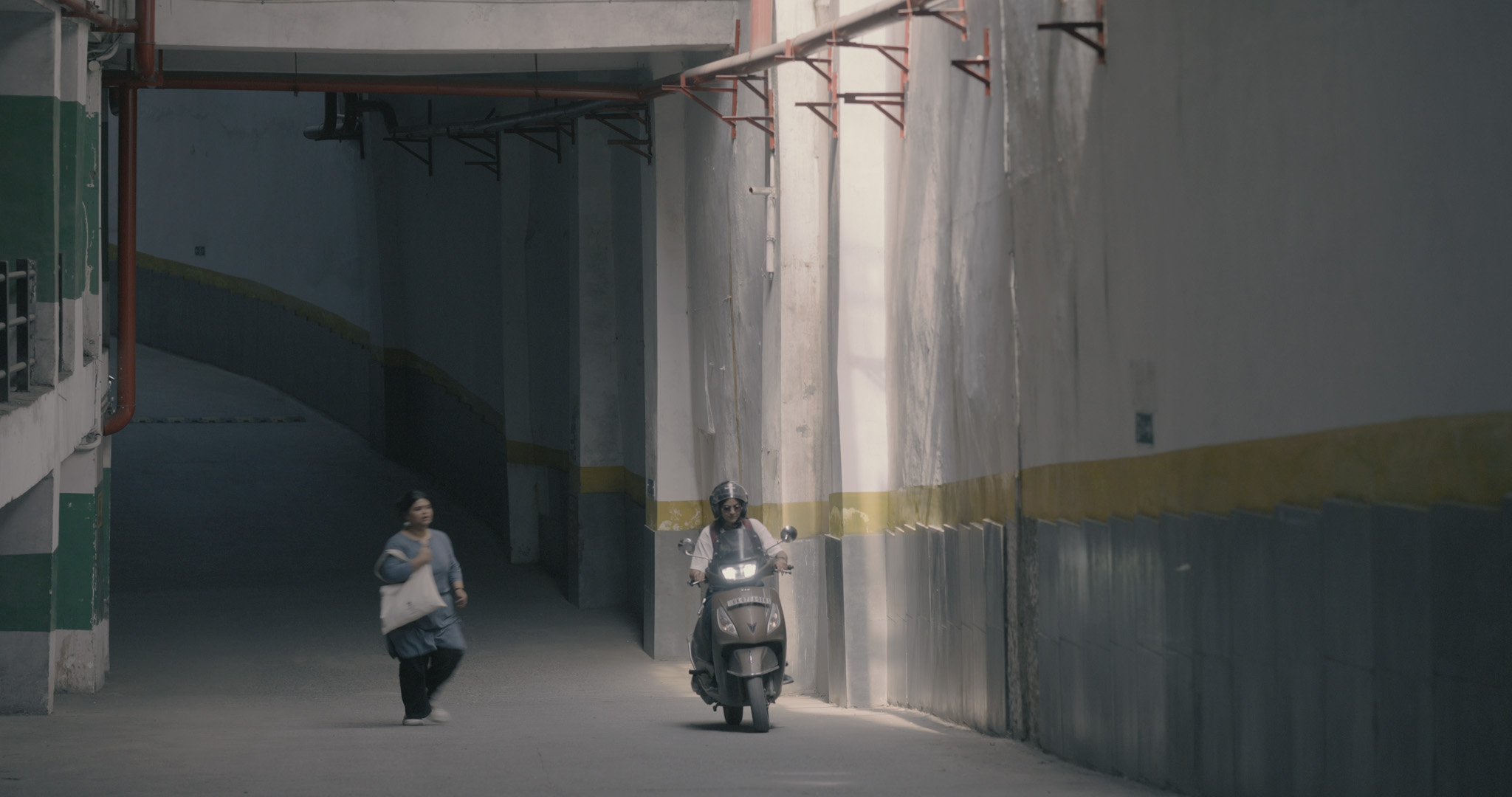
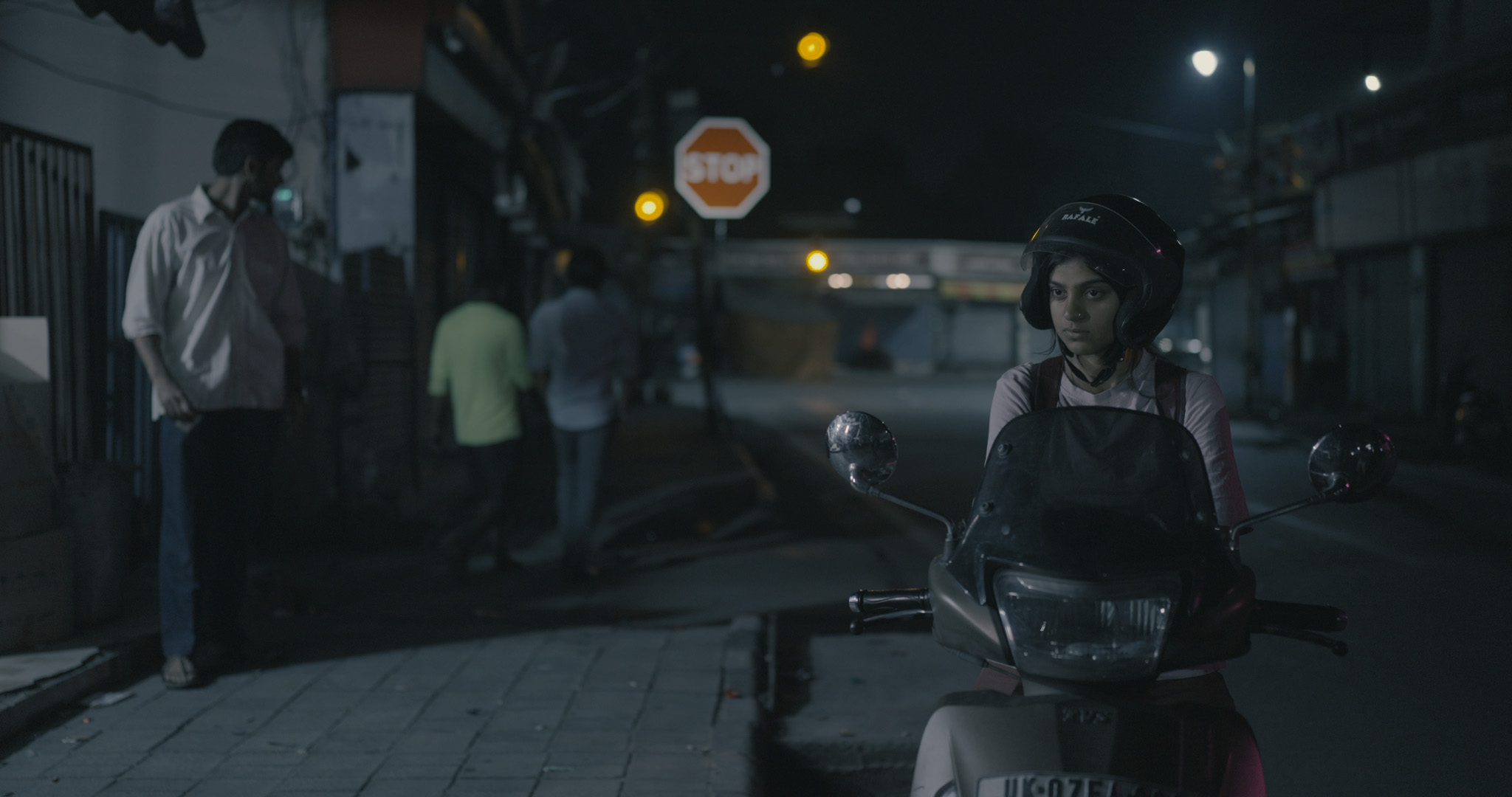
COMPOST is a slow-burn social thriller set in India. Anita Singh, AKA Tony, drives a motorcycle taxi in Dehradun, a mid-sized city in the foothills of the Himalayas. She is 22, paying her own way through college, sending money home to her mother, who was displaced after faulty tunnel construction caused an ecological disaster in their mountain town of Joshimath. Tony is not idealistic. She is practical, watchful, and stoic.
One night, she picks up Jagdish—a scrap dealer in the middle of a vicious fight with his wife, Seema. He's crude, menacing, but he’s paying double the usual fare. She takes him to a large estate in the old-money part of town, owned by the elderly aristocrat Ratnamala Jung Bahadur. While Jagdish attempts to tamper with the electricity supply to the property, he is shot. Twice. Tony panics and flees—but circles back to report to a police sub-station. When she returns to the scene with the constable on duty, there is nothing: no blood, no body, no evidence. The estate's dignified old steward, Abdul Lateef, answers the door. Ratnamala receives them with gracious composure. Nothing happened here. The constable dismisses Tony as an out-of-town student who smoked too much pot.
Tony goes back home. She lives with three other young women—Hema, a massage therapist surviving on the margins of legality; Riya, a romantic teenager in love with the wrong boy; and Kanika, a hospital administrator with a secret. Each woman is managing her own precarious situation with the tools available to her: charm, leverage, cunning, or force. When Riya discovers she is pregnant and her boyfriend disappears, Tony watches her housemates mobilize: Kanika trades a medical file in exchange for police pressure on the boy's family, while Hema simply goes to his house and hits him. Tony realizes that neither coercion nor violence produces anything lasting.
Riya handles her crisis on her own terms. When her boyfriend's father arrives with cash and the expectation that she'll disappear quietly, she turns his patriarchal idea of “honor” against him. She pushes him up to twice the amount and walks away from a marriage she never wanted. A girl becomes someone who knows her own worth.
Meanwhile, the city continues to swallow people without a trace. Hema's parlor is raided; she flees to Mumbai. The police shut down their shared apartment for being an "unlicensed" dorm. The women scatter. Tony goes back, to where it all began. Abdul Lateef walks her through the garden and stops at a compost pit. It smells. He says quietly that they let nothing go to waste. What is discarded, buried, or killed becomes the substrate from which something else grows.
Jagdish is in the pit. The aristocrat, her steward, and the land developer who covets the estate have all been complicit in making a man disappear—and the machinery of the world has moved on without a sound. This is the soil from which our protagonists grow.
Tony rides away. She does not solve a crime. She understands it.
Director Identity
Bio
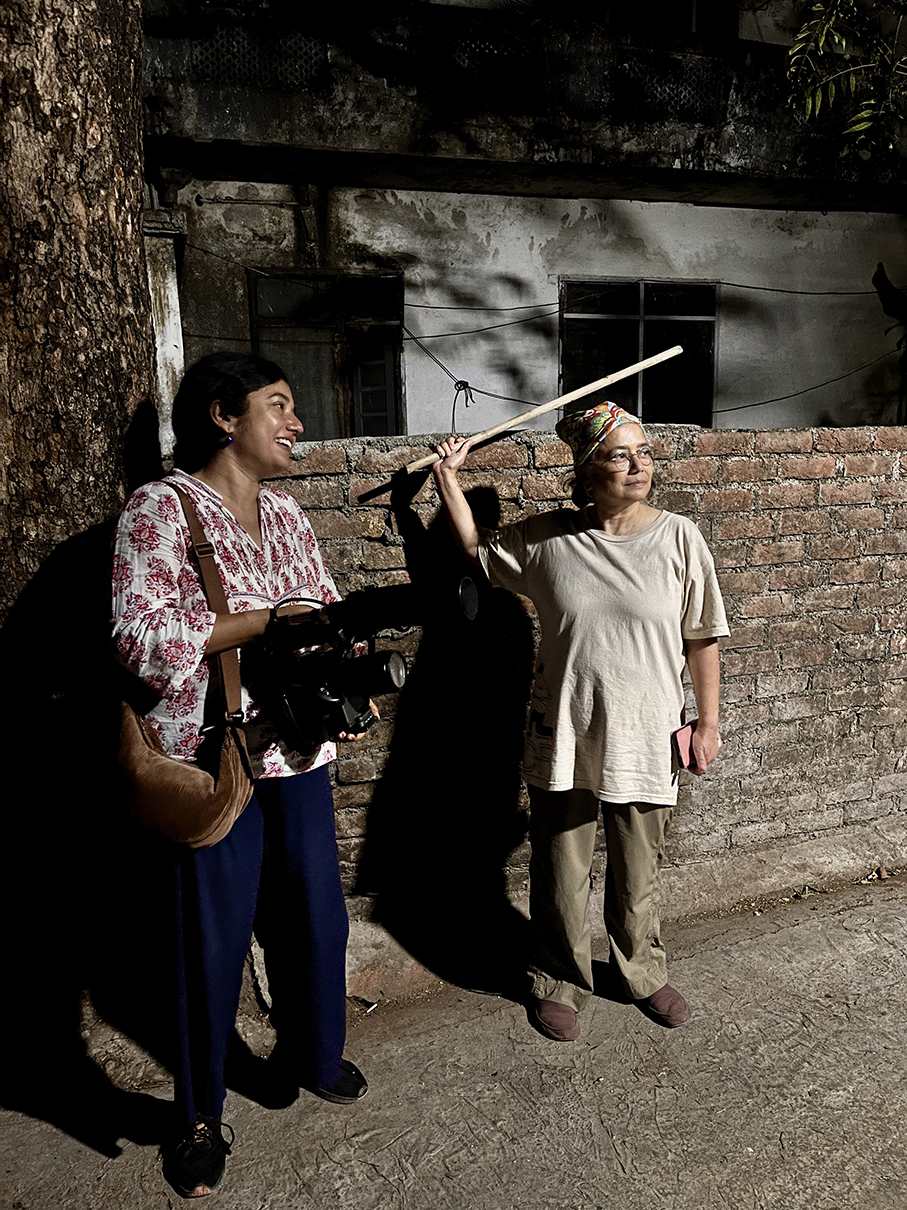
Shashwati Talukdar, Director/Producer, began working in film and television as an assistant editor for a TV show by Michael Moore (1999). Since then she has worked on projects for HBO, BBC, Lifetime, Sundance and Cablevision in New York, and KBS in South Korea. Her films have screened at venues including Hot Docs, Busan International Film Festival, Margaret Mead Festival. Her experimental films and video art is regularly shown in galleries and museums around the world, including the Whitney Biennial. She has been supported by entities including the Tribeca Foundation, Asian Cine Fund in Busan, the Jerome Foundation, New York State Council on the Arts among others. He most recent film is ‘Marriage Cops’ a feature documentary set in her hometown of Dehradun, India.
Being fluent in two Indian languages, and with basic competency in Mandarin Chinese, has allowed Shashwati to work on projects set in East and South Asia through her New York based company, Four Nine and a Half Pictures, Inc. Shashwati has an MFA in Film and Video Arts from Temple University, Philadelphia (1999), USA and an MA in Mass Communications from Jamia Millia Islamia (1992). She lives between India, Taiwan and the US.