Genre
Synopsis
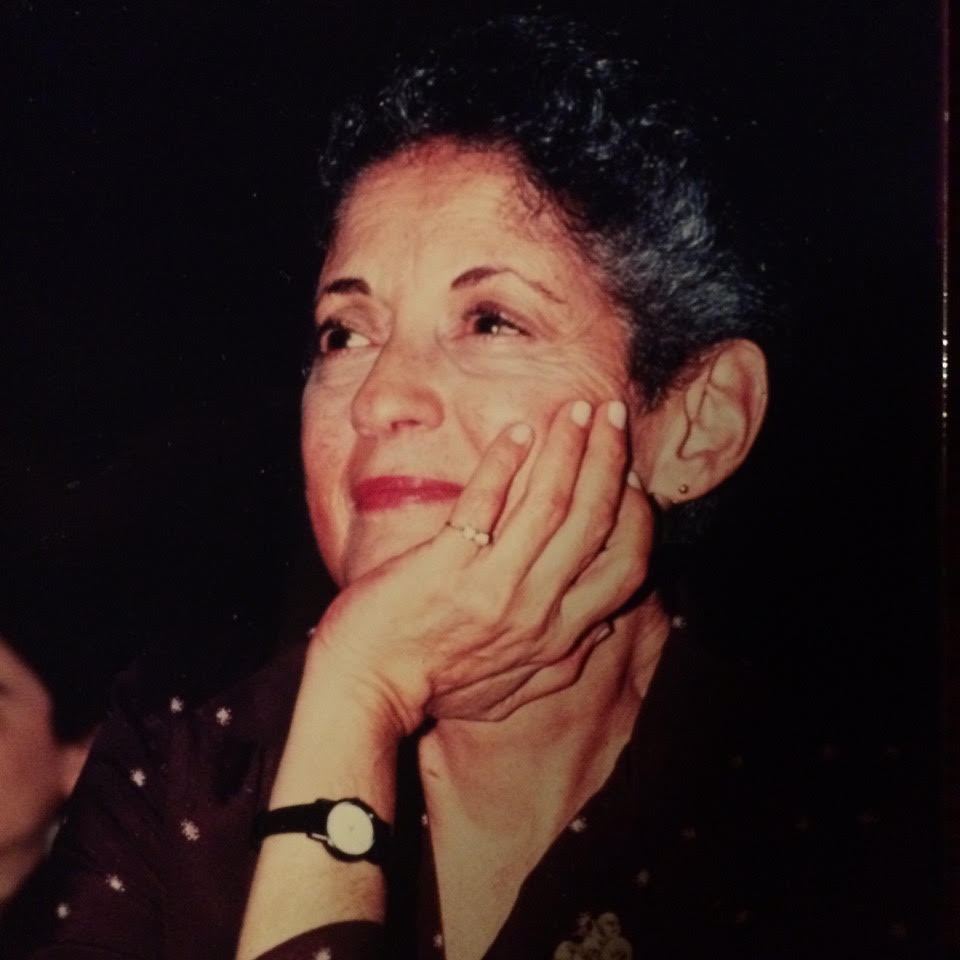
The film tells the surprising story of Arlene Carmen (1939–1994), a seemingly ordinary Jewish woman from the Bronx who spent twenty-seven years as the administrator of Judson Memorial Church in Greenwich Village, During that time, with the support of its members and a one-of-a-kind partnership with Reverend Howard Moody, she worked to advance the rights of women, the LGBTQ community and other marginalized groups to self determination, dignity and respect. Pulitzer Prize winning author and journalist Anna Quindlen calls Arlene the “most extraordinary, ordinary person.”
When Arlene joined the church staff in 1967, they were just beginning the formation of the Clergy Consultation Service on Abortion (CCS), a network that eventually engaged 1400 clergy nationwide in the counseling and referral of women who sought abortions to safe providers in the years before Roe v. Wade. Howard provided the clergy leadership of the CCS. Arlene ran the show, and single handedly screened the illegal abortion providers by pretending she was a pregnant woman seeking their services.
After abortion became legal in New York in 1970, Arlene and Howard redirected their efforts to operating a low-cost abortion clinic to reduce financial barriers for poor women—those the CCS had struggled most to serve. This commitment to meeting needs at the margins shaped all the work they pursued across the following decades.
A chance encounter with the head of Prostitutes of New York shifted their focus to the medical, legal, and social needs of street-working women in Times Square. Their response became the Judson Prostitution Project: a converted rental-car shuttle van where women could rest, talk, show baby photos, and access legal, medical, and childcare support. Arlene listened, advocated, and accompanied; Howard drove the van. They baptized children, officiated funerals, and stood beside the women in courtrooms. Arlene herself was arrested during a police “sweep” in 1978, a wrongful arrest that led to an NYCLU lawsuit challenging unconstitutional loitering laws.
In the 1980s, Judson became one of the first churches to hold memorials for people who died of AIDS and to create supportive housing for those living with the disease. Arlene quietly distributed Compound Q, an experimental treatment sought by patients who had lost hope in FDA-approved options. In her final years, she turned her attention to pregnant women and infants on the neonatal ward at Rikers Island.
Across each movement, Arlene and Howard demonstrated what it means to be true allies: opening space—literal and figurative—for people to lead their own struggles; honoring self-determination; accompanying individuals through the most vulnerable moments of their lives; and using their privilege and institutional power to advance causes that were not their own. They rejected the spotlight and resisted building institutions for their own sake, a rarity in social justice work.
Arlene was revered as a saint by many, yet she was also deeply human: a chain-smoking, foul-mouthed, overworked gambler who greeted visitors with “How the fuck are you?” Howard was a Southern Baptist boy preacher on the street corners of Dallas Texas. His life-long Marine crew-cut and southern drawl belied his profound commitment to progressive change for women, the LGBTQ community and racial minorities in the U.S.
Told through the eyes of her niece, Tess, the film examines how Arlene and Howard’s philosophy—rooted in the Social Gospel, and the principle of Tikkun Olam—offers a model for lasting, bottom-up change. It connects their legacy to contemporary leaders like Texas State Senator James Talarico, whose “love thy neighbor” politics have energized thousands of young volunteers at a moment when Christian nationalism threatens both faith and democracy.
Ultimately, the film explores how transformative justice emerges from listening, accompaniment, and radical humility, and invites viewers to recognize their own agency and the small, concrete actions through which meaningful social change has always been made.
Bio
Linda Goldstein Knowlton is an Emmy-nominated filmmaker, working in documentary and scripted feature films, as well as television. Her most recent film, SPLIT AT THE ROOT, made its World Premiere at SXSW 2022 and was acquired by Ava Duvernay's company ARRAY. The film will stream on Netflix March 2023. She started her career producing feature films, including the award-winning WHALE RIDER and TTHE SHIPPING NEWS, and began directing documentaries in 2003. For her directorial debut, she co-directed THE WORLD ACCORDING TO SESAME STREET, which debuted at the 2006 Sundance Film Festival in competition and aired nationally on PBS. The award-winning We Are The Radical Monarchs, premiered at SXSW in 2019 and had its broadcast premiere on PBS in 2020. Goldstein Knowlton directed and produced one of the six, Emmy-nominated documentaries for the PBS MAKERS: Women Who Make America series. Women and Hollywood aired in October, 2014 and includes interviews with Jane Fonda, Shonda Rhimes, Lena Dunham, Ava Duvernay, Marti Noxon, Alfre Woodard, Hunger Games producer Nina Jacobson, among many other notable women. Prior to that, she produced CODE BLACK, Best Documentary winner at LA Film Festival and the Hamptons International Film Festival, and the basis for the CBS one-hour drama. Previously she directed and produced SOMEWHERE BETWEEN, which won the Sundance Channel Audience Award at the Hot Docs Film Festival, and was released theatrically in over 80 cities across the US.