Genre
Synopsis
Through newly uncovered archives and present-day dives along the Eastern Mediterranean, this character-driven archival documentary traces the life and unfinished legacy of Honor Frost, a pioneering British marine archaeologist whose groundbreaking work reshaped our understanding of ancient seafaring. Moving between submerged landscapes in Lebanon, Turkey, and Sicily and the personal papers she left behind, the film reveals how history, conflict, and the sea shape what is remembered and what is lost. At a time when cultural heritage is increasingly threatened by war, development, and climate change, the film reintroduces Frost’s legacy as a vital lens through which to question identity, preservation, and memory in the Mediterranean today.
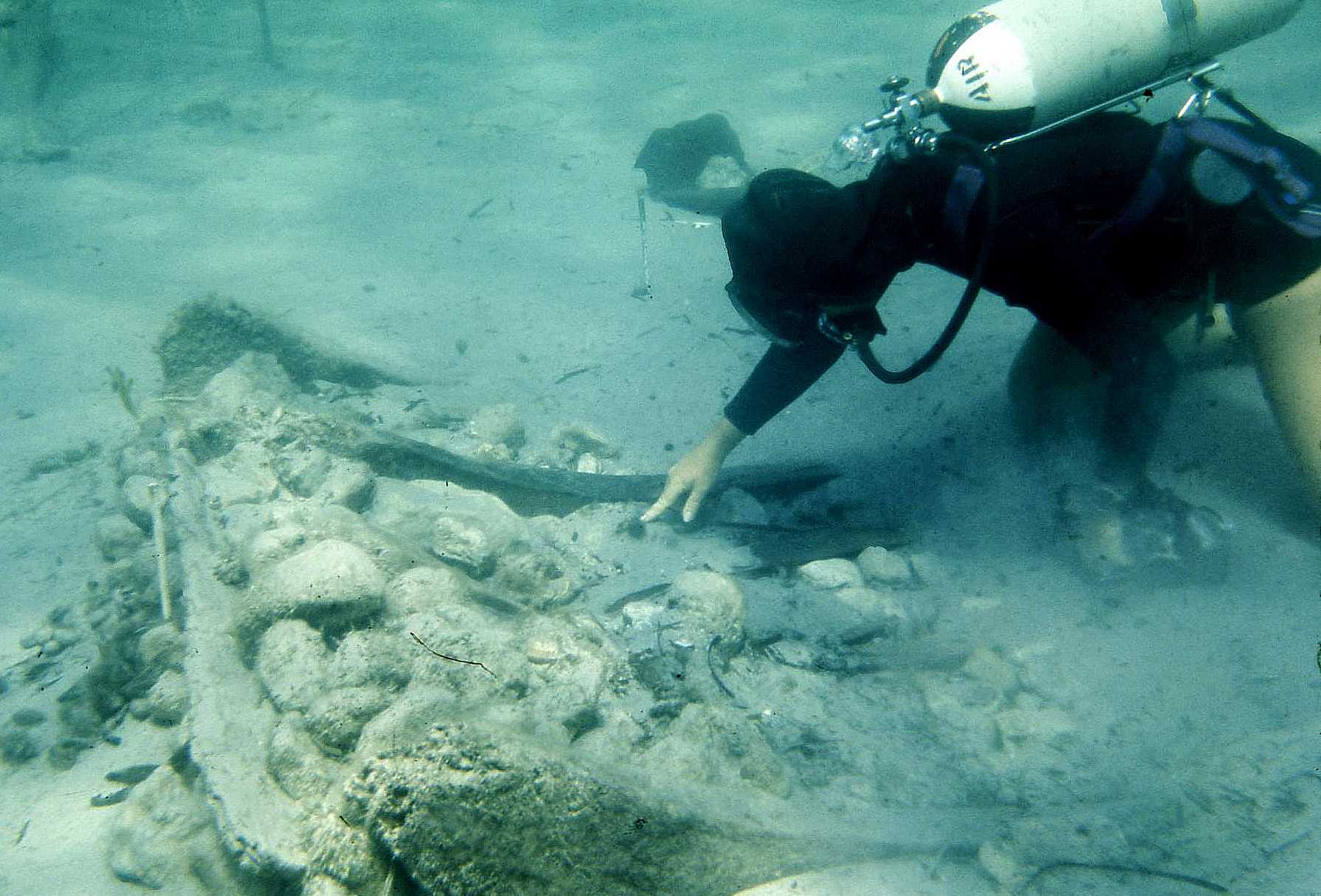
Honor Frost laid the foundations of marine archaeology in the Eastern Mediterranean. Her meticulous surveys of ancient harbours, shipwrecks, and submerged coastal sites along the Lebanese coast—particularly in Tyre, Sidon, and Byblos—established rigorous underwater research methods that continue to guide archaeologists today. Her excavation of the Gelidonya Bronze Age shipwreck off Turkey, the first fully systematic underwater excavation of its kind, provided the earliest physical evidence of Phoenician seafaring and trade, transforming the study of Late Bronze Age maritime networks. From Lebanon to Sicily, where she worked on the Punic warship near Marsala, Frost combined diving, drawing, and archival research to reconstruct ancient trade routes and harbour engineering, demonstrating how Mediterranean civilisations were shaped by the sea.
Yet unlike many celebrated figures of maritime exploration, Frost worked largely outside the spotlight. A woman navigating a male-dominated field, she prioritised documentation, collaboration, and long-term preservation over public acclaim. While her discoveries were foundational, her story has rarely been told beyond specialist circles.
Rather than presenting a linear catalogue of achievements, the film immerses audiences in Frost’s lived experience. Through her field notes, correspondence, photographs, and drawings, we encounter a person shaped by curiosity, discipline, and ethical commitment. Parallel to her biography, the camera returns to the underwater sites she studied—now altered by war, coastal development, pollution, and environmental change—asking what has endured and what has vanished.
The documentary unfolds as both a portrait and an inquiry. How did Frost’s personal life shape her sustained engagement with Lebanon and the Mediterranean? What can her archives reveal about the politics of research, authorship, and stewardship across borders? And how does her legacy continue today through the Honor Frost Foundation, which supports marine archaeology and heritage preservation in the region?
By tracing one woman’s devotion to the histories beneath the waves, the film reflects on larger stakes: whose labour is remembered, how cultural heritage is protected in conflict-affected regions, and what it means to care for the past in a time of accelerating loss.