Genre
Synopsis
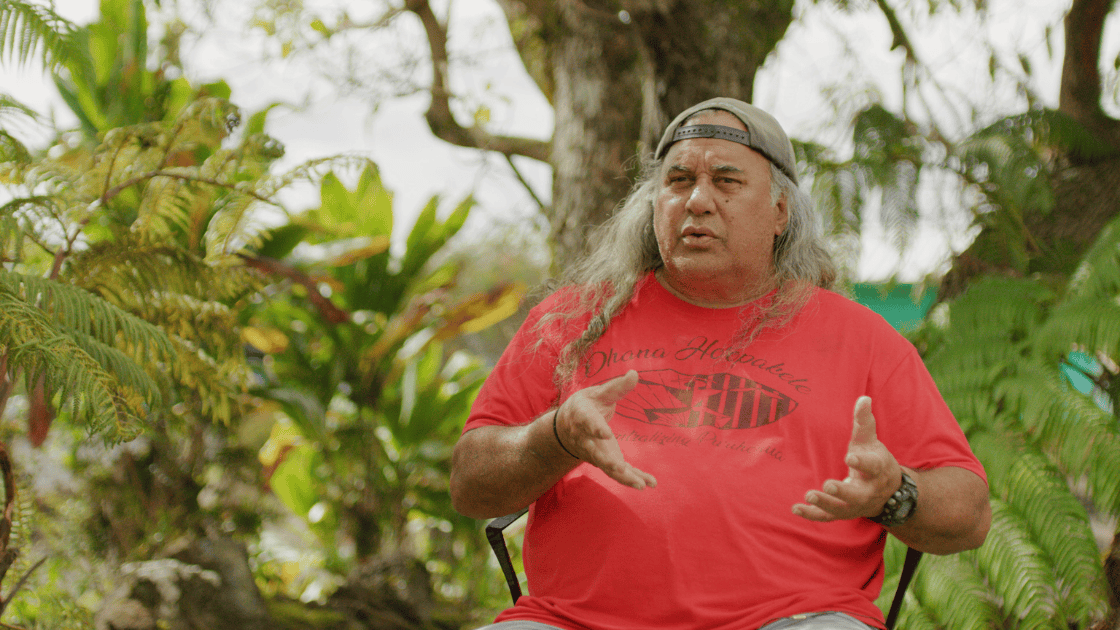
This short documentary explores how Indigenous Hawaiian approaches to healing, accountability, and restoration intersect with the U.S. prison system. The film follows incarcerated Native Hawaiians during Makahiki, the traditional season of balance, peace, and renewal, as they engage in cultural ceremonies and education to take responsibility, repair past harms, and pursue personal transformation.
While these practices are legally protected under freedom of religion laws, access remains limited and contested within prisons built for punishment, profit, and control. The film shows how cultural guidance, mentorship, and ceremony create moments of restoration that sharply contrast Western models of incarceration, demonstrating how Indigenous knowledge fosters accountability, community connection, and meaningful change.
Through this lens, the film asks: what does justice look like when rehabilitation, responsibility, and restoration take priority over isolation and retribution, and what can modern systems learn from these ancestral practices?
Bio
Alison Week is a highly skilled filmmaker and creative producer currently based in Waimea, Hawaii. Her work revolves around uplifting stories of women in front of and behind the camera while authentically representing her island home. With a decade of experience in the industry, she has successfully produced both narrative and non-fiction films for non-profit organizations and commercial clients worldwide, such as Meta, BBC World, NBC/Universal, Discovery Channel, & Business Insider. Born and raised in South Kona, Alison returned to Hawaii in 2020 after working for nearly a decade in Austin, Texas.