Genre
Synopsis
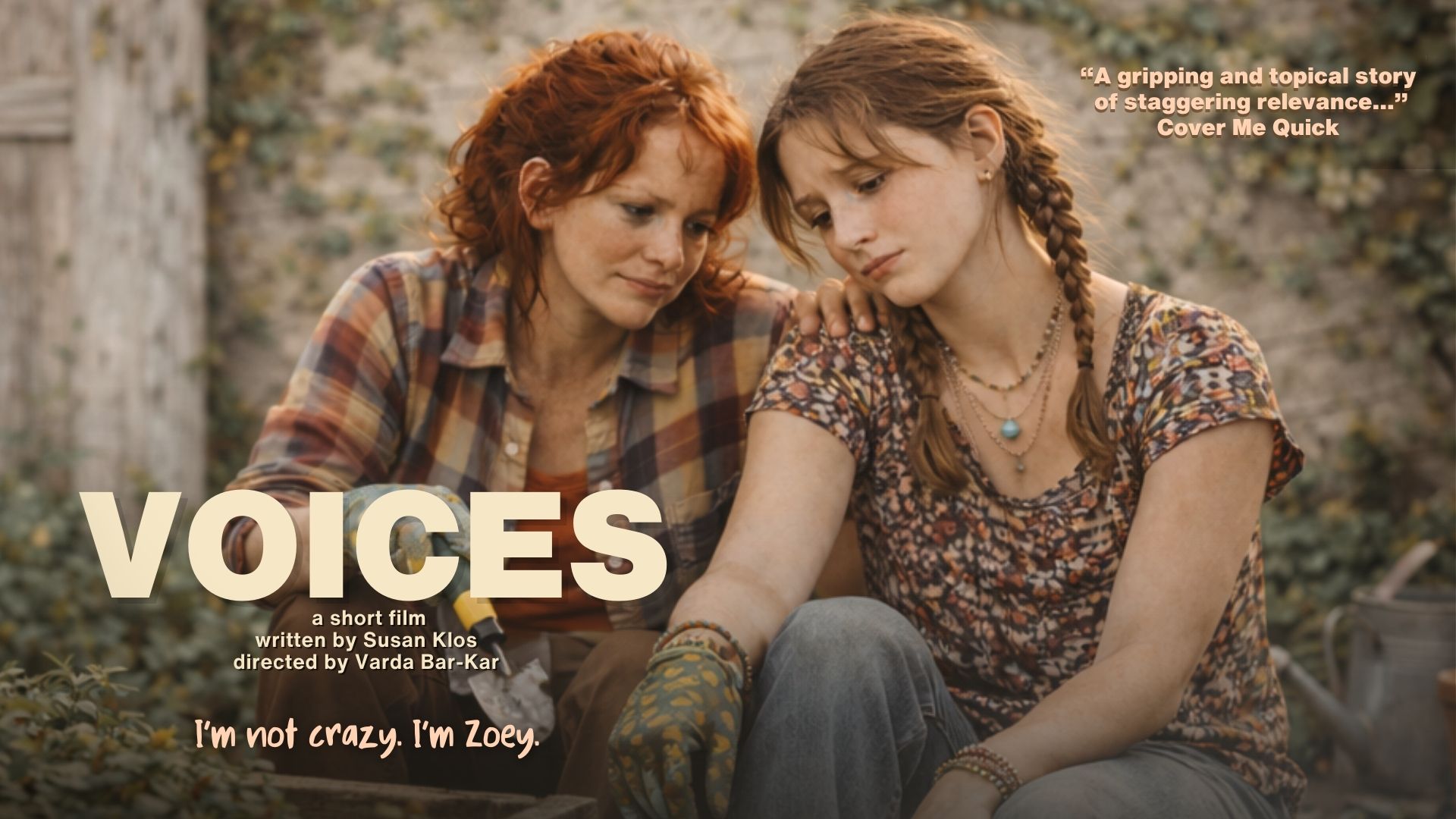
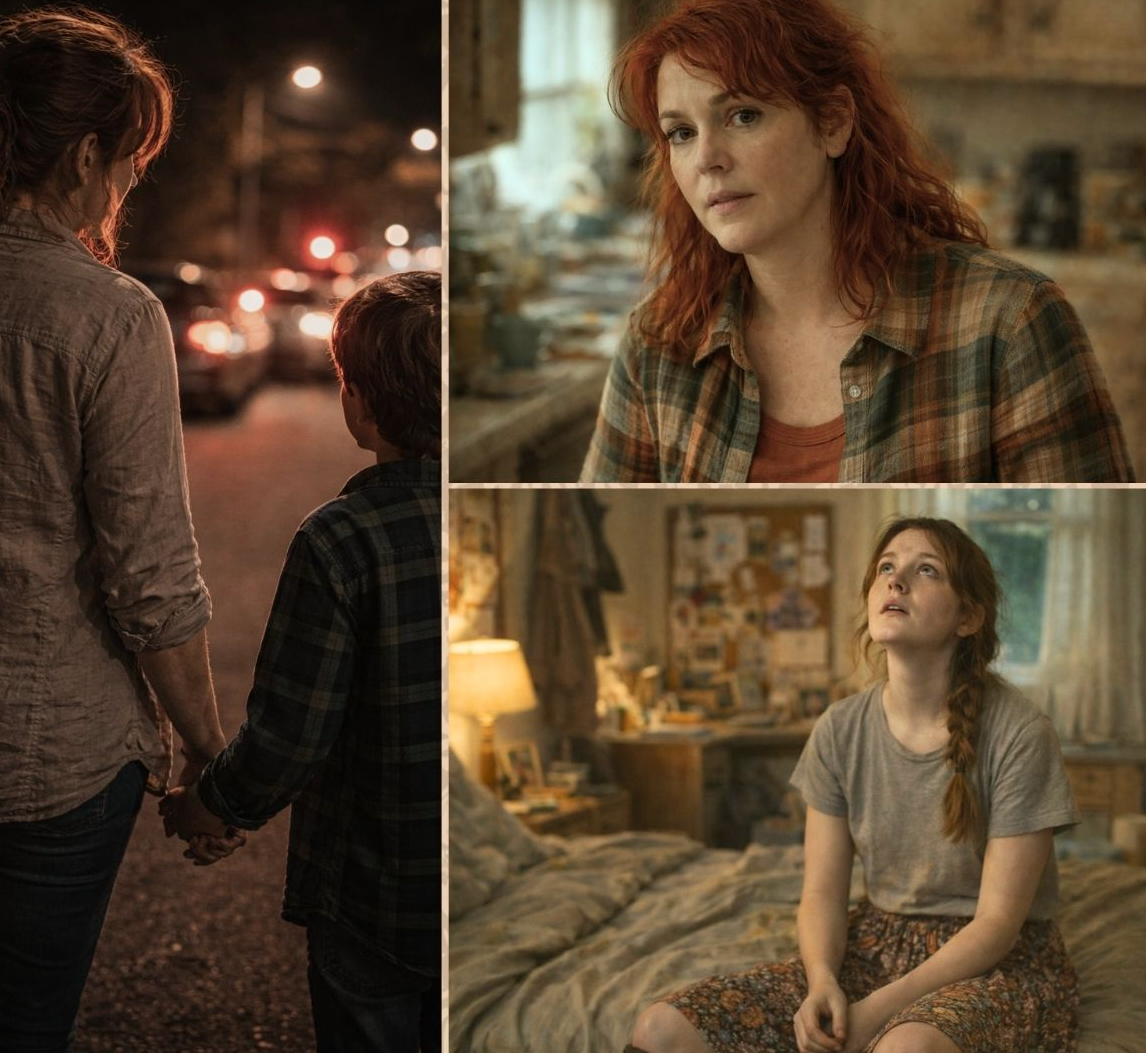
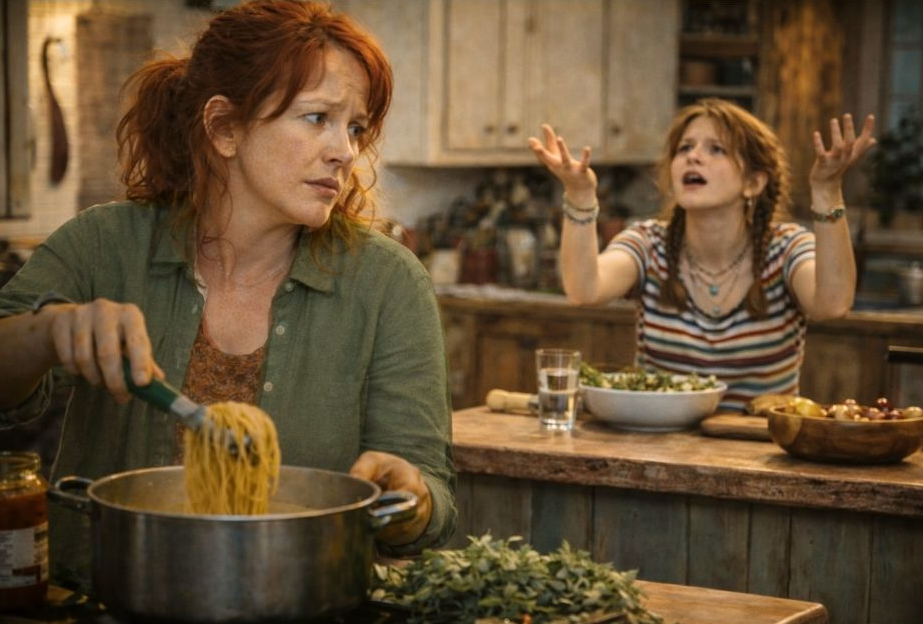
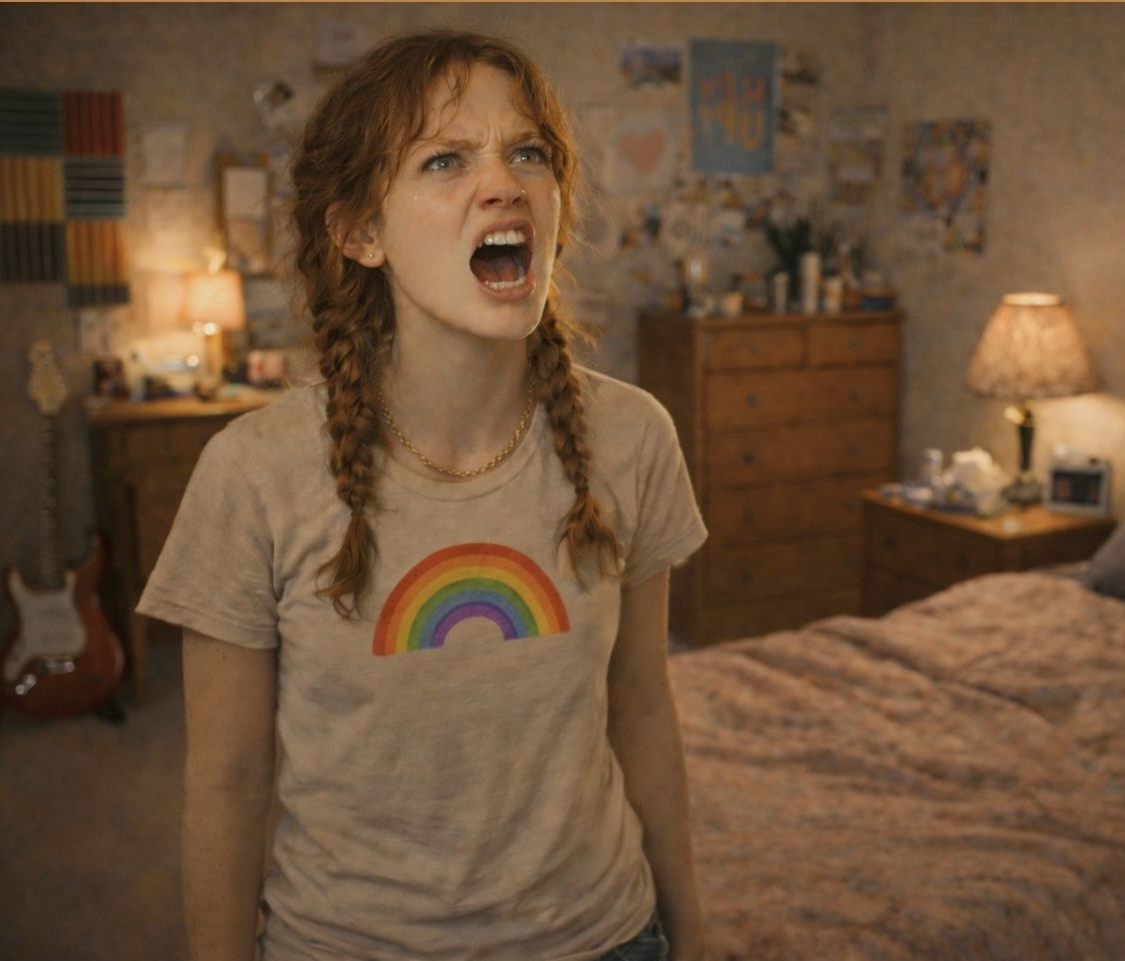
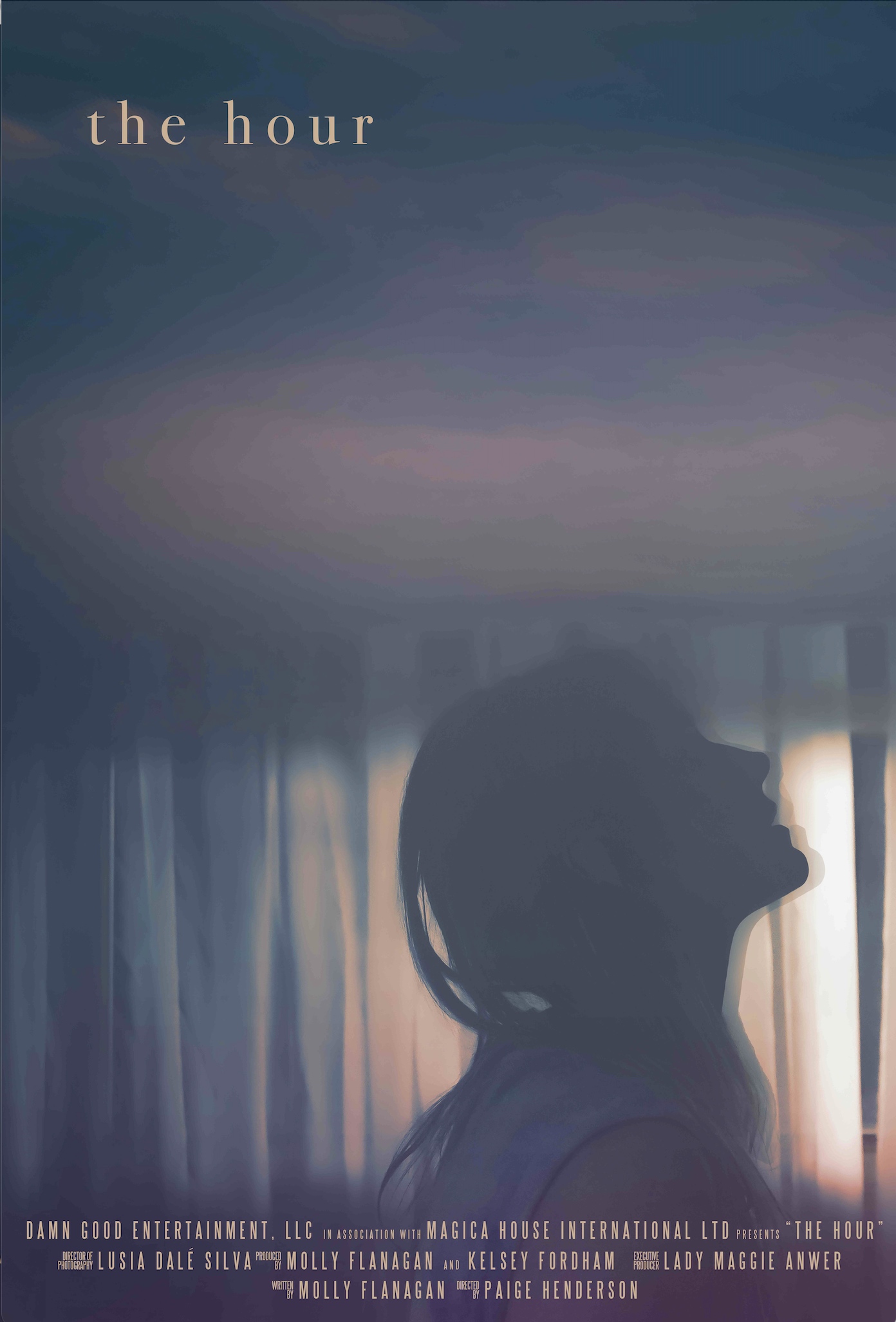
Single mother Rose Hamel is raising her two children in a modest, close-knit home shaped by routine, affection, and unspoken strain. Her daughter Zoey, nineteen, is bright and imaginative, immersed in theater and inner life, sensitive to the world around her. Rose’s son Jack, nine, watches from the edges, saying little, noticing everything.
At first, Zoey’s behavior blends easily into the household's rhythms. She rehearses lines for a Shakespeare play she’s performing in. She talks to herself. Drifts inward. Rose chalks it up to creativity, to stress, to the private intensity of being young. When Jack expresses concern, Rose reassures him. That’s just Zoey being Zoey.
Gradually, almost imperceptibly, something shifts. Rose notices Zoey’s conversations take on a new urgency. Her attention turns elsewhere, upward, inward, toward voices only she can hear. Zoey’s conversations take on a new intensity.
The boundaries between imagination and reality begin to break.
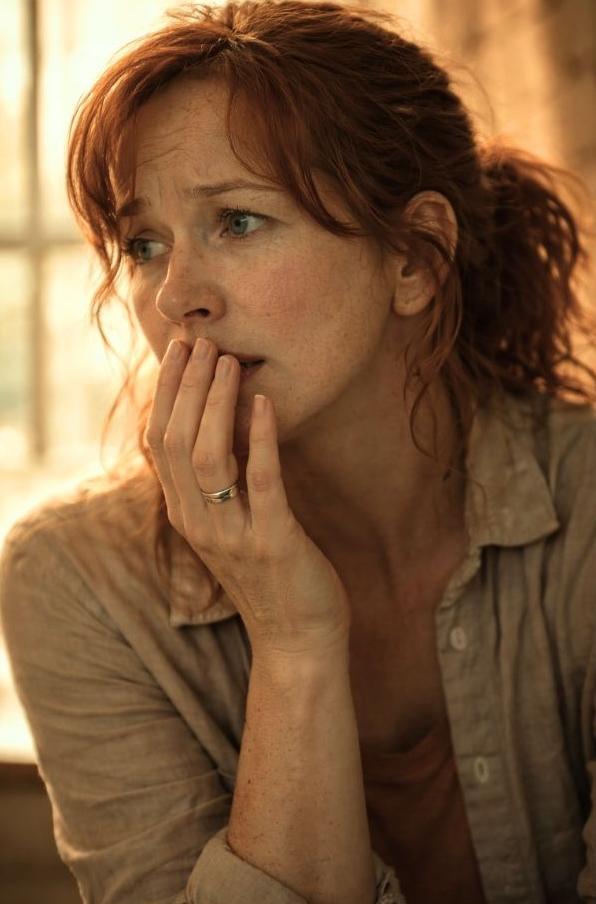
By the time Rose understands what is happening, Zoey’s inner world begins to fracture. Her conversations with unseen voices grow more frantic, more frightening. What once seemed harmless suddenly becomes dangerous.
Rose calls 9-1-1. That one phone call marks the change that will shape their lives. Not all at once, but forever. What began as creativity and inwardness gradually reveals itself as schizophrenia, an illness that fractures Zoey’s life and tests the bonds of her family.
For Zoey, there is no fairy tale ending, but there is a hard-won sense of belonging and the courage to take the next step.
Director Identity
Bio
Award-winning director Varda Bar-Kar develops and directs meaningful and engaging documentaries, feature films, and episodic television. Varda was born in England and lived on three continents by age 10, providing her with a global perspective. She is an "artivist" filmmaker, focusing her lens on subjects that explore the breadth and diversity of the human condition.
Varda's films have won multiple awards, including two LA Emmy Awards, two LA Press Club Journalism Awards, and an Anthem Award. Her documentary, "Big Voice," premiered on Netflix and was broadcast nationally on PBS, winning a Bronze Telly Award. "Big Voice" screened at the United States Capitol as part of a campaign advocating for arts education. Varda's bi-national music documentary "Fandango at the Wall" was executive-produced by Quincy Jones and Carlos Santana. "Fandango at the Wall" premiered on HBO, streamed on MAX, spawned a Grammy-winning album, and screened at the United States Library of Congress, highlighting the power of cross-cultural diplomacy. PBS SoCal commissioned Varda to make "Artbound: The Cheech," the Emmy-winning documentary exploring Cheech Marin's passion and influence on the rise of Chicano art.
Varda's newest music documentary, "Janis Ian: Breaking Silence," premiered at DOC NYC, where it was among the top 10 most-viewed films. It won multiple festival audience awards for "best documentary" and was recognized by the Palm Springs International Film Festival as one of the "Best of the Fest" top ten films. Greenwich Entertainment picked up "Breaking Silence" for a limited theatrical run, a digital release, and a national broadcast on the PBS series American Masters.
Varda participated in Ryan Murphy’s Half Foundation director program and directed an episode of Fox's hit show 9-1-1. She's a Rockefeller Foundation Bellagio Resident, a Ford Foundation & Kenneth Rainin Foundation grant recipient, and a member of the DGA.